
Regenerative Farming: How Conscious Consumerism is Reshaping UK Food
Consumers are no longer satisfied with vague sustainability claims. They want transparency, traceability and proof that their food choices create positive impact. This shift is accelerating the rise of regenerative farming, an approach moving from agricultural niche into the mainstream food conversation in the UK.
Rather than simply doing less harm, regenerative agriculture focuses on restoring ecosystems and reshaping how food is grown, marketed and understood.
From Sustainability to Regeneration
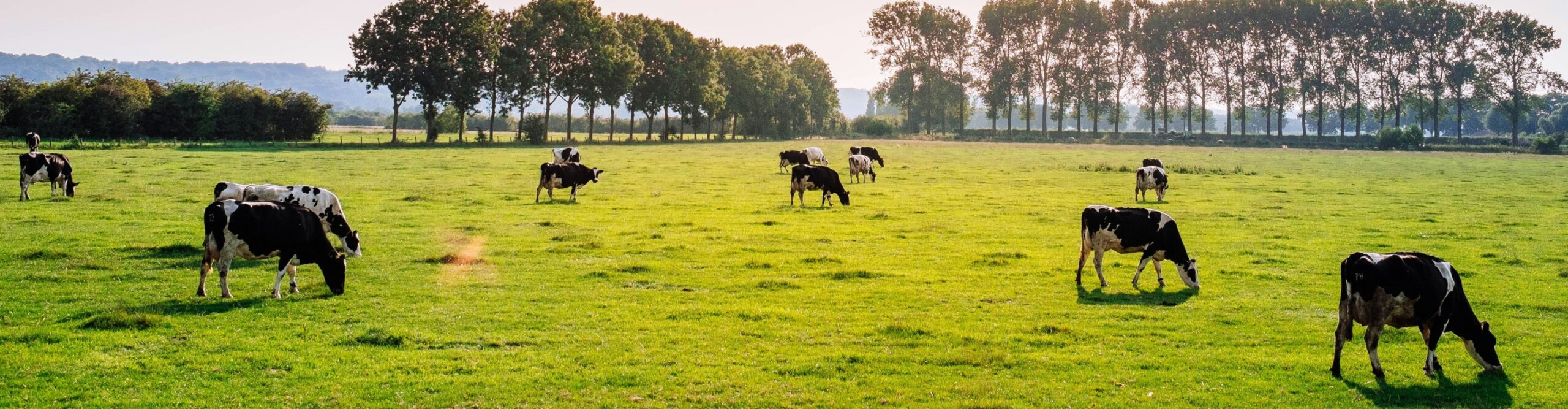
For years, sustainability has dominated food production narratives, but regenerative farming represents a more ambitious step. Instead of only reducing environmental damage, it aims to rebuild natural systems by improving soil health, increasing biodiversity, enhancing water retention and reducing reliance on synthetic inputs. The goal is to leave the land in better condition than it was found.
Across the UK, farmers are adopting practices such as cover cropping, reduced tillage and rotational grazing to strengthen soil resilience and cut input costs. A recent analysis by The Grocer suggests regenerative agriculture is moving from conference talking point to product packaging and restaurant menus, reflecting growing commercial adoption across the food supply chain.
Why Consumers Are Paying Attention
Today’s consumers are far more engaged with food provenance. Social media, documentaries and rising climate awareness have made supply chains more visible and more scrutinised. Regenerative farming cuts through this complexity with a simple message. Healthier soil supports healthier ecosystems. This clarity resonates with shoppers who are increasingly sceptical of vague eco-friendly branding.
It also aligns with changing expectations around quality. Food grown in healthier soil is often associated with better flavour, improved nutrient density and stronger seasonal variation. These attributes allow chefs and retailers to position products at a premium.
UK Brands Leading the Shift
Several UK food brands are embedding regenerative principles into their supply chains and turning farming practice into brand identity.
Wildfarmed is one of the most visible pioneers. It works with UK and European farmers to produce regenerative wheat used in bread, flour and beer. Products made with Wildfarmed flour are widely available in supermarkets, including its Life Changing bread range stocked in major retailers such as Waitrose. Farming UK also reported that Waitrose has invested £1M in regenerative agriculture to support farmers transitioning to soil first methods. The retailer aims to expand adoption across UK farms while improving biodiversity and climate resilience. This reflects a wider retail shift where regenerative agriculture is becoming part of mainstream grocery strategy.
Daylesford Organic continues to place regenerative principles at the centre of its farm to table model, focusing on soil restoration, biodiversity and rotational grazing as drivers of quality and flavour.
Another established UK example is Yeo Valley, which has integrated regenerative principles into its long standing organic dairy system. This approach feeds directly into everyday consumer products including Natural Yogurt, Greek Style Yogurt and Organic Milk. These familiar supermarket items help bring regenerative farming into mainstream household consumption without requiring changes in shopping habits.
A Storytelling Opportunity for Hospitality
For hospitality brands, regenerative farming offers strong narrative potential. Menus become more than ingredient lists. They become stories about soil, farmers and ecosystems. Provenance led dining, seasonal sourcing and chef farmer relationships gain new meaning when framed through regeneration. This helps restaurants build stronger emotional connections with increasingly conscious diners.
Restaurants and chefs are using regenerative ingredients to strengthen sustainability credentials while differentiating menus and elevating storytelling. A prime example is Jeremy Clarkson’s pub The Farmers Dog, which emphasises the use of 100% British produce.
Regeneration as the Next Chapter
Regenerative farming reflects a broader shift in consumer expectations from reducing harm to actively improving environmental outcomes. As awareness grows, brands that clearly communicate regenerative commitments and support them with credible action will be best positioned to lead. In a crowded food landscape, regeneration is becoming not just an agricultural method but a defining story of how food is grown, valued and experienced.